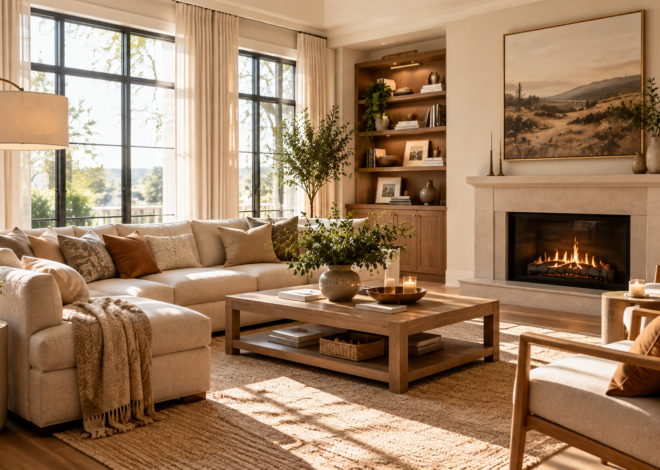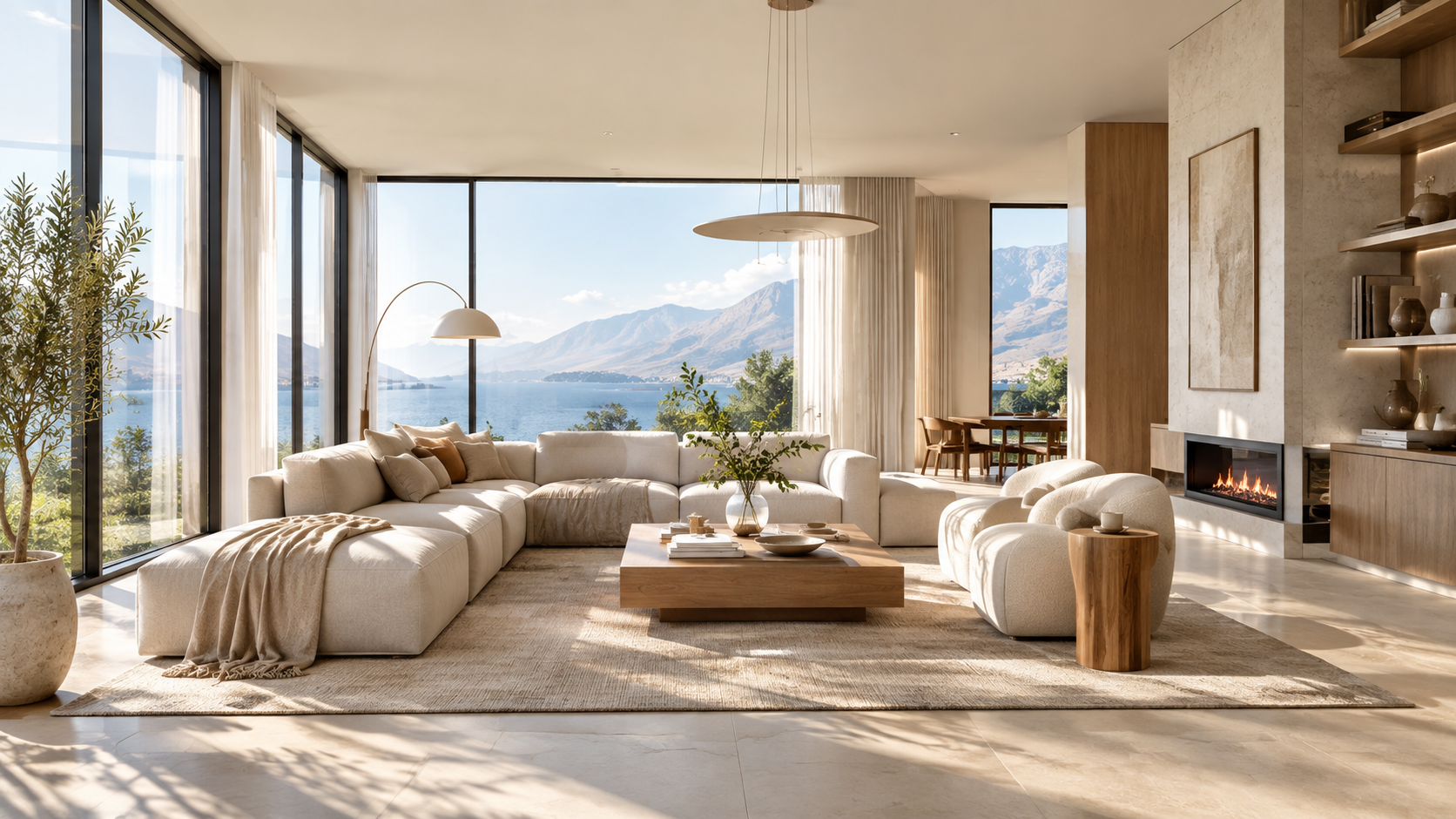
How to Make a Small Room Look Bigger and Brighter: The Complete Guide
Creating a beautiful and comfortable home does not require massive square footage or a major renovation budget. If you want to know how to make a small room look bigger and brighter, the answer lies in simple, practical design strategies. You can easily create a more spacious, bright, and open environment without physically expanding the actual size of the space.
Many interior design experts agree that a spacious-feeling home is mostly about proportion, lighting, and thoughtful styling. By implementing smart small space decorating ideas—like choosing the right paint, correctly scaling your furniture, and removing visual clutter—you can completely trick the eye. This guide will provide actionable, affordable ways to transform cramped areas into inviting, airy retreats.
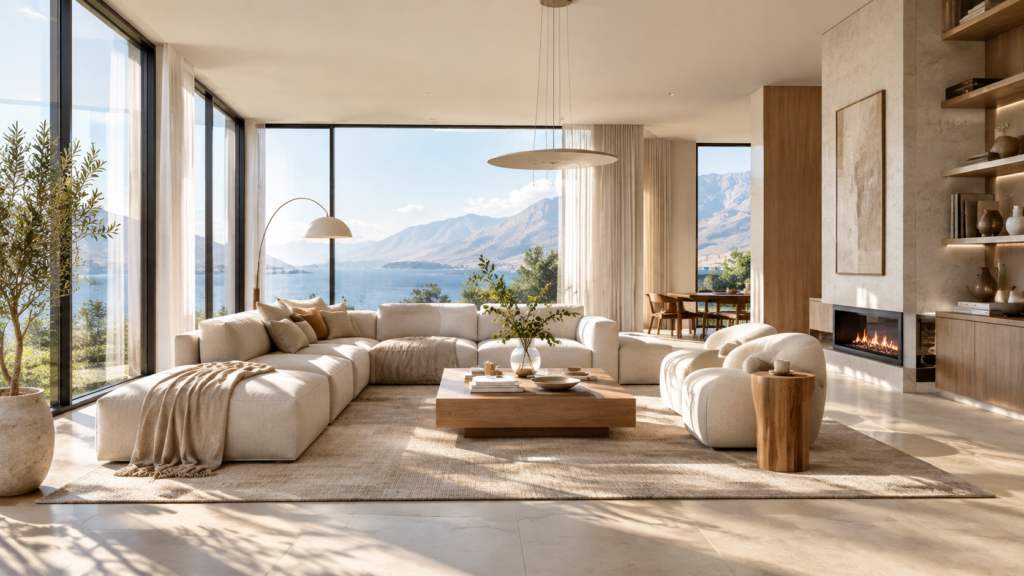
Whether you are tackling a tiny bedroom or a narrow living area, these decorating techniques will help you maximize every square inch. Let’s explore the most effective ways to open up your home and invite the light in.
Use Light Colors to Make the Room Feel Bigger
The foundation of any spacious-feeling room starts with the color palette. When searching for colors that make a room look bigger, interior designers consistently recommend pale, neutral tones. Dark colors absorb light, which can make a room feel closed-in and heavy. In contrast, white, cream, soft gray, and pale pastel shades reflect light back into the room, creating an expansive effect.
Choosing light colors for small rooms is highly effective because it blurs the visual boundaries of the space. If you paint your walls, baseboards, and ceiling the same light shade, you erase the harsh lines where the walls meet the ceiling. This optical illusion makes the ceiling appear much higher than it actually is.
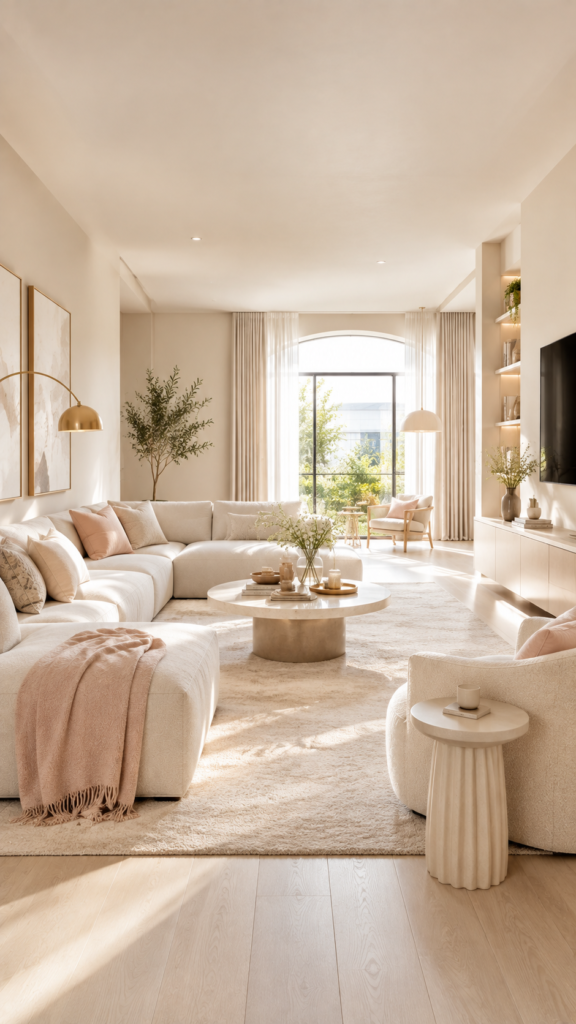
Beyond just the walls, you should aim to create a cohesive color palette throughout the entire room. When your furniture, rugs, and decor share similar tonal values, the eye moves smoothly across the space. Too many contrasting, bold colors can chop the room up visually, making it feel disjointed and smaller.
Maximize Natural Light
Nothing opens up a space quite like the sun. Embracing natural light is a free and effective way to figure out how to brighten a small room. The more sunlight you can bring inside, the less confined the room will feel.
To maximize sunlight, start by evaluating your windows. Ensure that heavy furniture—like tall bookshelves or high-backed sofas—does not block the lower half of your window frames. Keep the glass clean inside and out; dust and grime can block a surprising amount of sunlight. Outside, trim back any overgrown bushes or tree branches that cast shadows into your room.
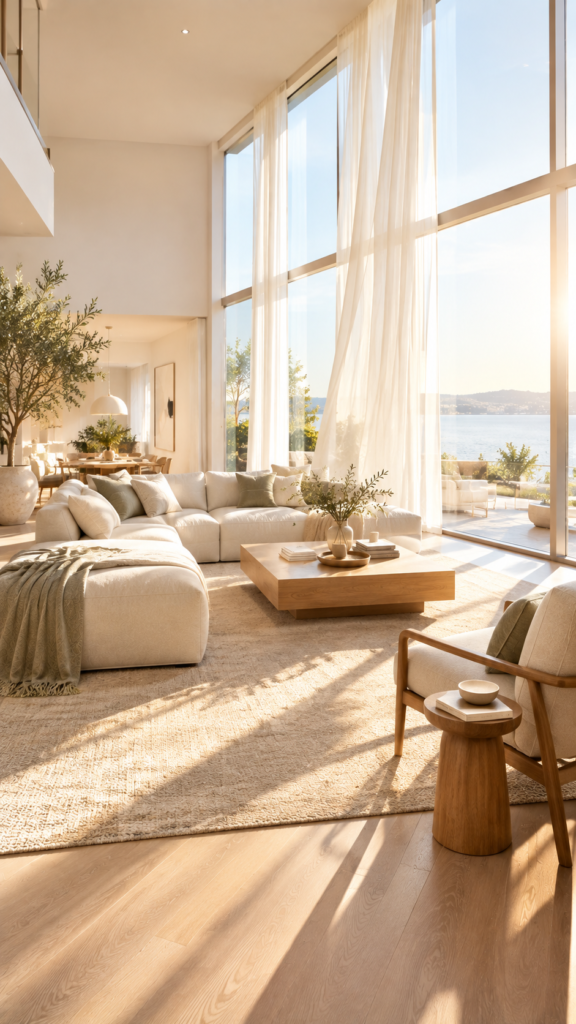
Reconsider your window treatments as well. Instead of thick, heavy drapes that absorb light, swap them out for sheer, lightweight fabrics. If privacy allows, leaving windows completely bare during the day floods the room with organic brightness and draws the eye to the outdoors, visually expanding your square footage.
Layer Your Lighting
When natural light fades, your artificial lighting strategy must take over. One of the most common mistakes in small spaces is relying entirely on a single overhead ceiling fixture. A single light source creates harsh shadows in the corners, making the room feel like a tight, restrictive box.
The solution is layered lighting. Good small room lighting ideas always include three types of lighting: ambient (general illumination), task (for reading or working), and accent (to highlight decor). By spreading light across different levels and corners, you eliminate dark spots and give the room a warm, glowing feel.
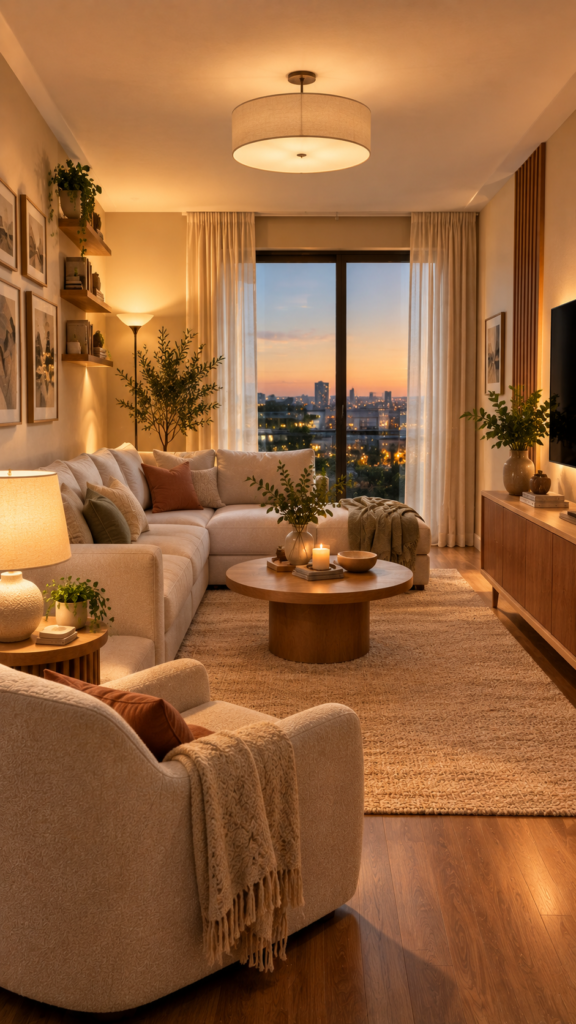
Start with a central fixture, but supplement it with a tall floor lamp in a dim corner to push light upward toward the ceiling. Add small table lamps on side tables or install plug-in wall sconces near your seating. Using warm white LED bulbs ensures the light feels welcoming and expansive, successfully showing how to make a small room look brighter.
Use Large Mirrors to Create More Visual Space
If you ask any interior designer how to make a room look bigger, they will immediately point to mirrors. Using large mirrors is one of the oldest and most effective design tricks in the book. A well-placed mirror acts like an additional window, tricking the eye into believing the room extends further than it does.
The placement of your mirror dictates how effective it will be. For the best results, hang or lean a large mirror on the wall directly opposite a window. This positioning catches the outdoor scenery and bounces sunlight back into the room, effectively doubling the brightness.
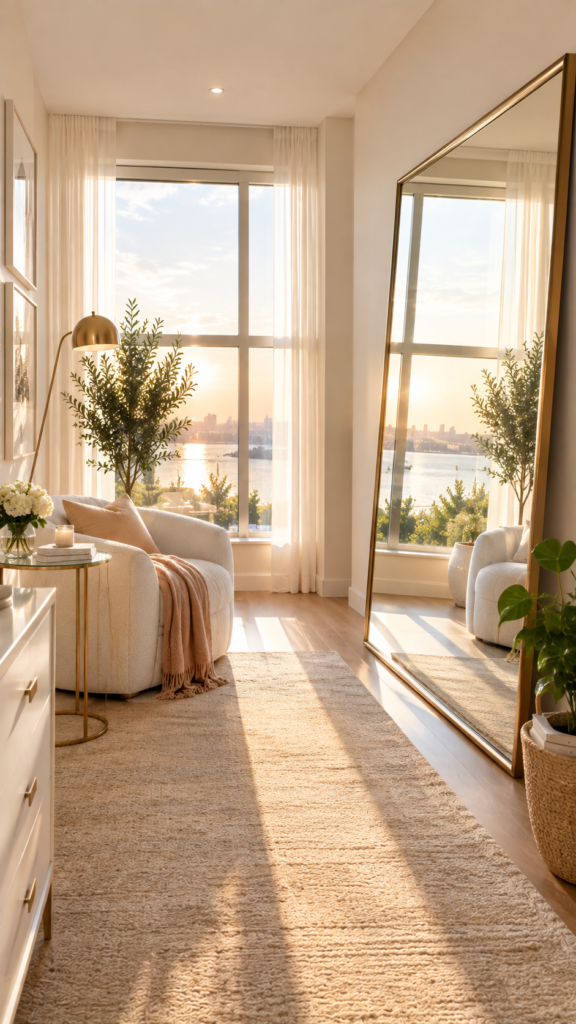
To complement the mirrors, introduce other reflective surfaces. A glass-front display cabinet, glossy ceramic tiles, or metallic picture frames can all help light dance around the room. These subtle reflections add a layer of depth and openness, contributing greatly to your small room decorating ideas.
Choose the Right Furniture for Small Rooms
Filling a small room with bulky furniture is a guaranteed way to make it feel cramped. When looking for furniture ideas for small rooms, focus on pieces that are correctly proportioned to your floor plan. Choosing furniture that properly fits the room is essential; an oversized sectional will swallow a tiny living space, while appropriately scaled seating leaves room to breathe.
Incorporating space-saving furniture helps you maintain a comfortable flow. Consider modern pieces with clean lines and low profiles. A low-back sofa creates more empty wall space above it, making the ceiling feel taller.
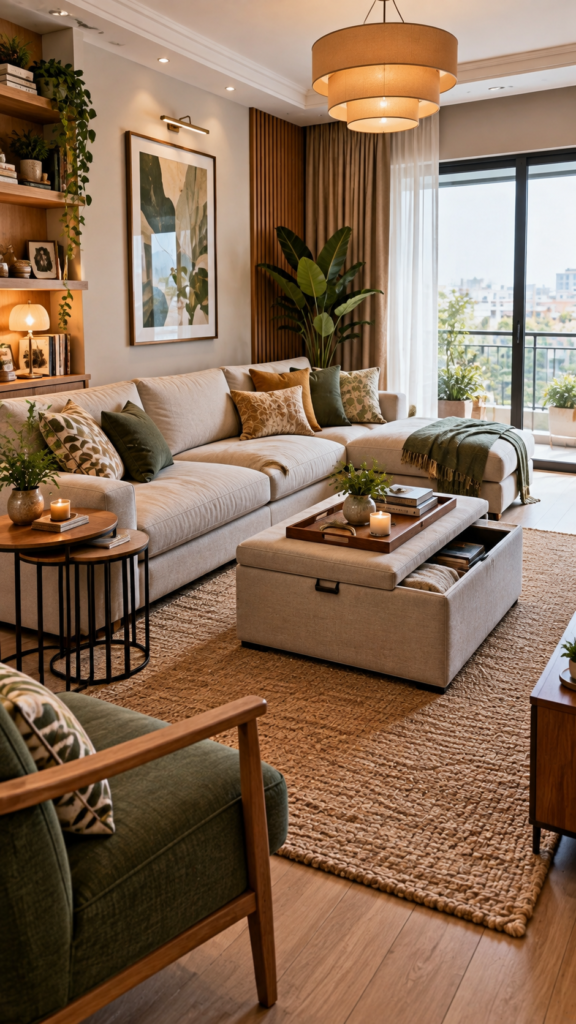
Additionally, prioritize multifunctional furniture. A stylish storage ottoman can serve as a footrest, a coffee table, and a place to hide extra blankets. Nesting tables are another excellent choice because you can tuck them away when not in use and pull them out only when guests arrive. By keeping your furniture functional and scaled down, the room becomes much easier to navigate.
Keep Enough Visible Floor Space
A room instantly feels larger when you can see more of the floor. Keeping enough open floor space is a crucial strategy. To achieve this, buy furniture with exposed legs rather than heavy pieces that sit completely flat on the floor. When light passes underneath a sofa or armchair, the floor appears to extend further, tricking your brain into perceiving a larger footprint.
Another vital factor in maintaining visible floor space is choosing the right rug size. A common mistake is buying a rug that is too small for the room. A tiny rug visually chops up the floor, making the room look disjointed and cramped.
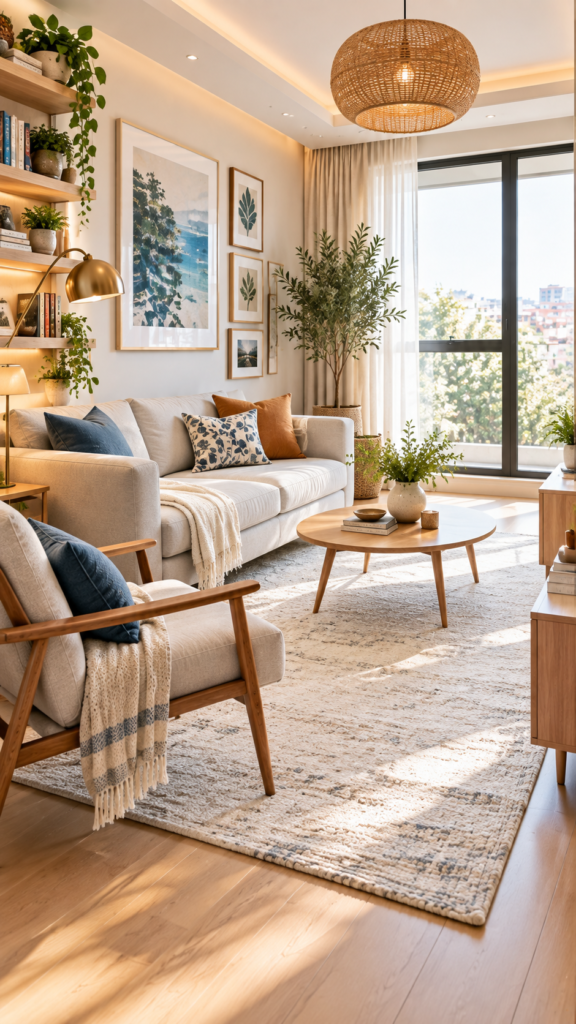
Instead, choose a large rug that fits at least the front legs of all your main furniture pieces. A large rug anchors the seating arrangement and draws the eye outward, establishing a wide, cohesive zone that makes a small room look bigger.
Maximize Vertical Space with Floor-to-Ceiling Curtains
When horizontal floor space is limited, the only way to expand is upward. Utilizing vertical space draws the eye toward the ceiling, creating the illusion of height. The easiest and most dramatic way to achieve this is by rethinking how you hang your window treatments.
You should hang floor-to-ceiling curtains, regardless of your actual window size. A great interior design rule is hanging curtains higher and wider than the window frame. Install the curtain rod two to three inches below the ceiling line and let the fabric touch the floor.
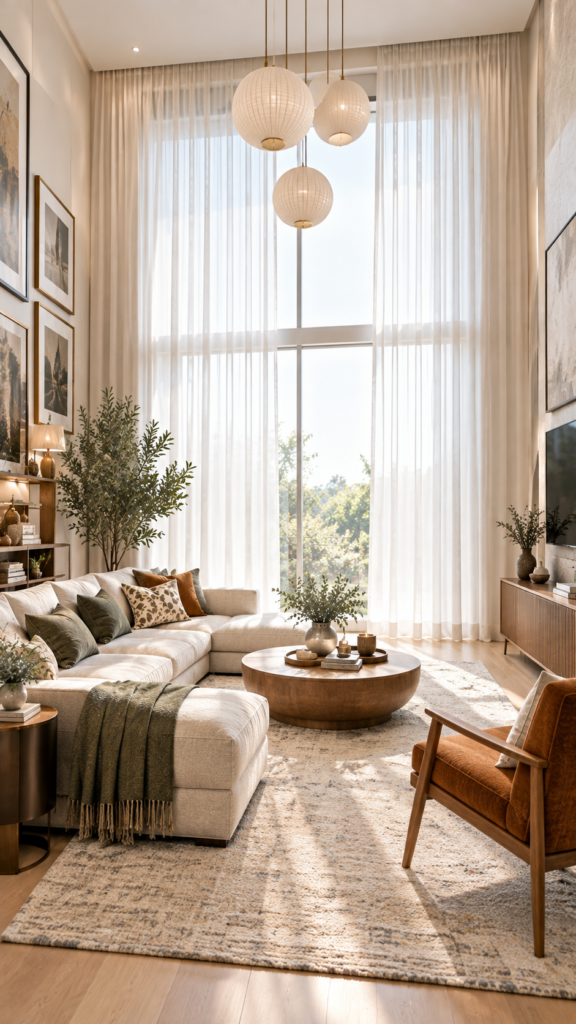
Furthermore, extend the curtain rod six to eight inches past the window on either side. When the curtains are open, they rest against the wall rather than blocking the glass. This simple trick makes the window appear massive and makes the walls look exceptionally tall.
Select Light and Airy Materials
Material selection dramatically impacts the visual weight of a room. To achieve light and airy interiors, avoid heavy materials like dark mahogany, dense velvet, or chunky leather. These materials absorb light and anchor the room down heavily.
Instead, look for transparent or open-weave materials. Glass, acrylic (lucite), light-toned woods, and slender metal frames are perfect for tight spaces. A glass-topped coffee table or an acrylic dining chair provides a functional surface but practically disappears into the room, meaning your sightline is never blocked.
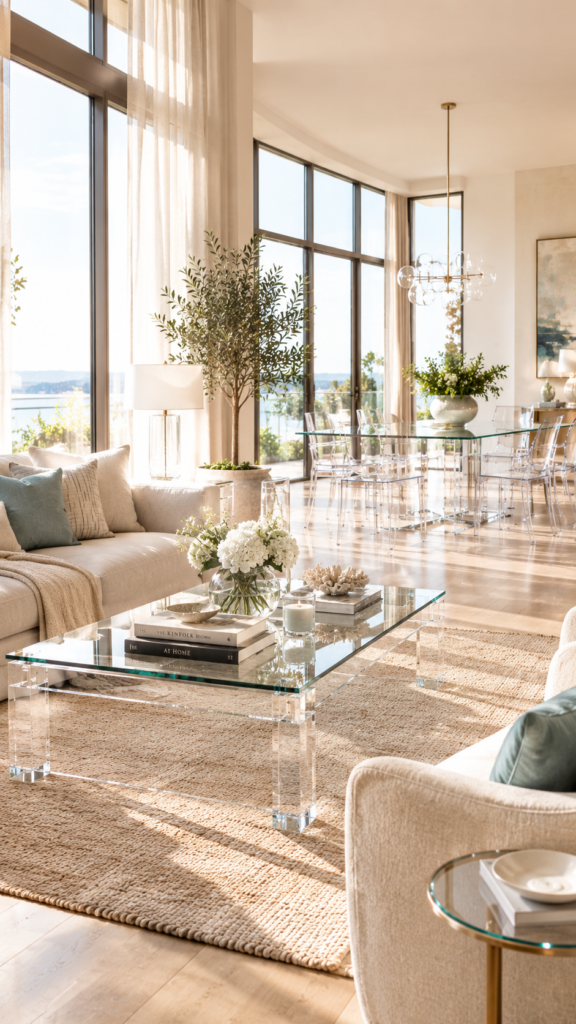
Keep your textiles equally weightless. Swap out thick wool throws for breathable cotton or linen fabrics. These subtle material shifts lighten the entire atmosphere of your home, contributing greatly to your small room ideas.
Declutter and Reduce Visual Clutter
Even if you follow every rule regarding color, lighting, and furniture scale, a room will still feel tiny if it is messy. Decluttering is the single most impactful, free step you can take. A serene, spacious home relies heavily on removing visual clutter.
Visual clutter includes having too many small decor pieces scattered across surfaces. A bookshelf lined with dozens of tiny knick-knacks creates visual noise that confuses the eye. To resolve this, practice the art of editing. Group display items in odd numbers (like clusters of three) and deliberately leave empty spaces—known as “negative space”—on your shelves and tables.
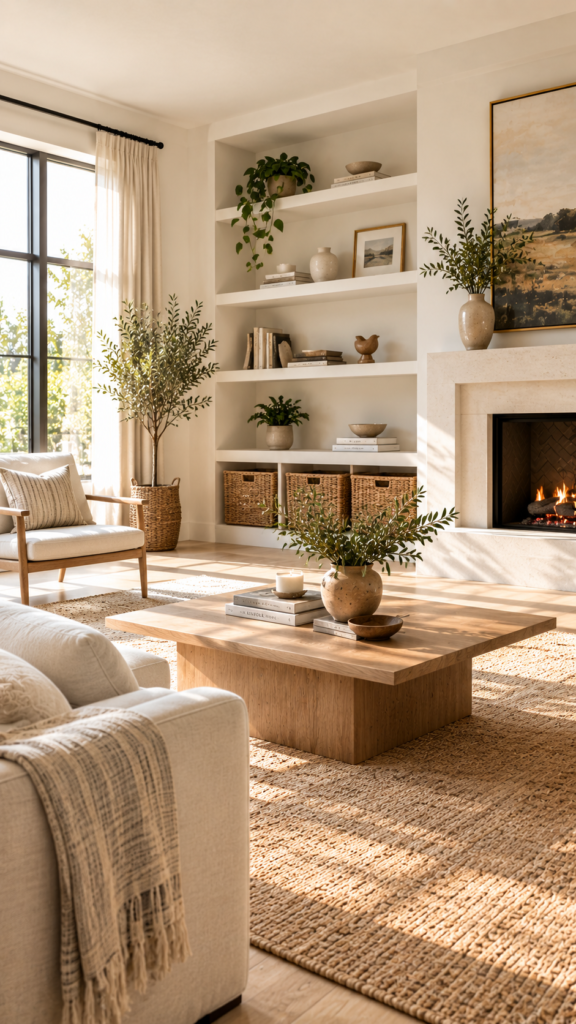
Use stylish baskets or closed cabinets to hide daily necessities like remote controls, mail, and charging cables. When surfaces are clear and tidy, the room instantly breathes and feels larger.
Small Bedroom Ideas for a More Open Feel
Bedrooms should be restful sanctuaries, but a tiny bedroom can easily feel claustrophobic. If you are searching for specific small bedroom ideas, start by focusing on the bed, as it is the largest item in the room.
To save visual space, choose a low platform bed without a heavy, solid footboard. A tall footboard acts like a visual wall, cutting a small room in half. A simple, streamlined bed frame allows the eye to travel the full length of the room uninterrupted.
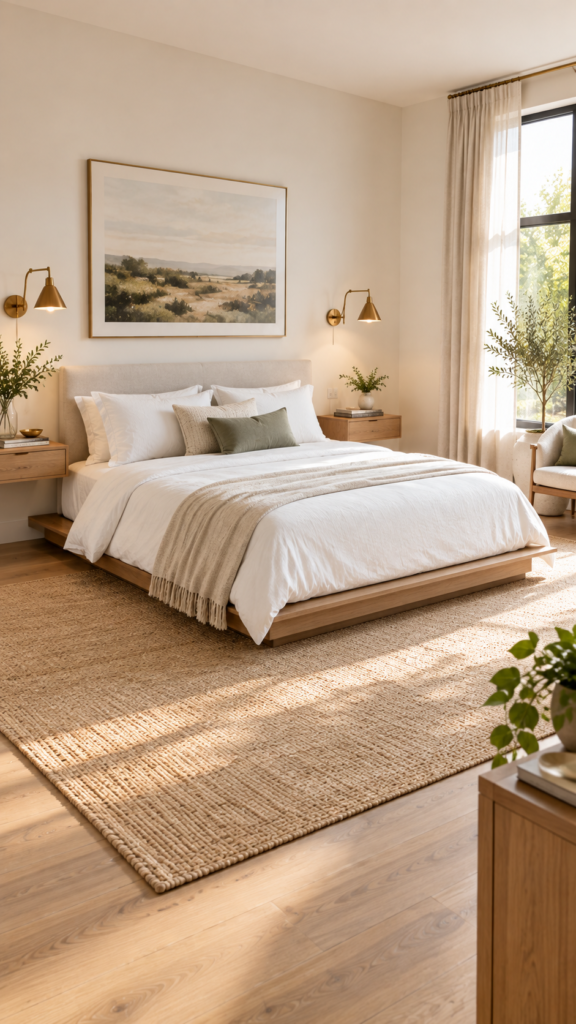
Instead of chunky bedside tables, install floating shelves beside the bed. Floating nightstands leave the floor area completely clear. Pair these with wall-mounted sconces instead of bulky table lamps to free up surface area entirely, keeping your bedside neat and functional.
Small Living Room Ideas for Spacious Gatherings
The living room is where you entertain and relax. For successful small living room ideas, focus on an intentional seating arrangement that encourages flow without blocking pathways.
Instead of a massive, overstuffed sectional that swallows the entire room, opt for an apartment-sized sofa paired with one or two slim accent chairs. Armless chairs or chairs with thin wooden frames offer comfortable seating but take up far less physical and visual space.
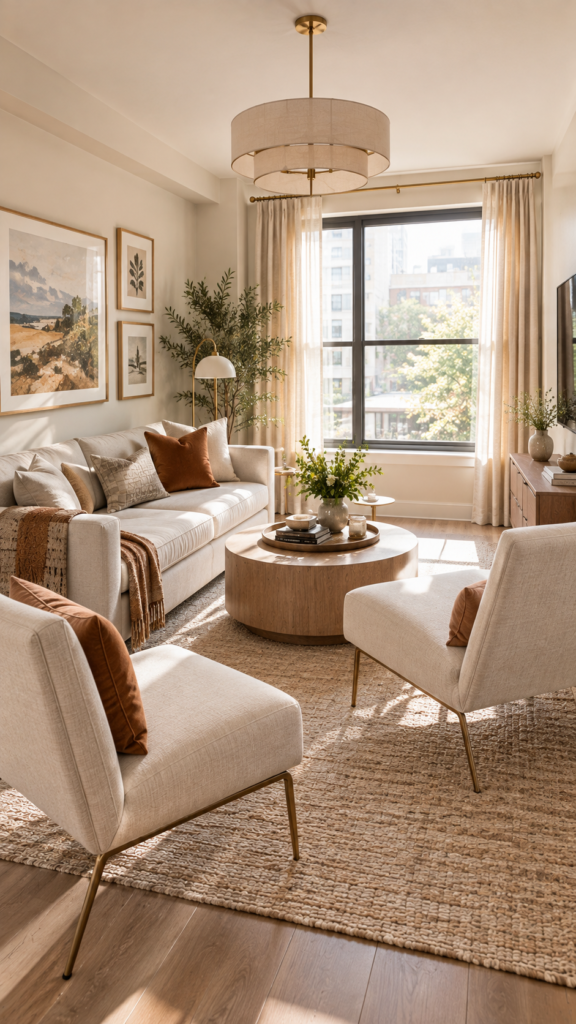
Remember to maintain that cohesive color palette we discussed earlier. A living room with light walls, a large neutral rug, and well-proportioned seating will feel welcoming, airy, and perfectly sized for gatherings.
Frequently Asked Questions (FAQ)
How can I make a small room look bigger?
You can make a small room look bigger by using light paint colors, maximizing natural sunlight, hanging curtains close to the ceiling, and choosing furniture that sits off the ground on exposed legs to show more floor space.
What colors make a small room look bigger?
Soft, light colors such as crisp white, warm cream, pale gray, and soft pastels are the best colors that make a room look bigger. These shades reflect light and make walls recede visually.
How can I make a small room brighter?
To learn how to brighten a small room, clean your windows regularly, use sheer curtains, add large mirrors opposite your windows, and implement layered lighting with floor lamps, table lamps, and wall sconces.
What type of lighting is best for a small room?
Layered lighting is best. Avoid using just one harsh overhead ceiling light. Combine ambient overhead lighting with task lighting (like a reading lamp) and accent lighting (like wall sconces) to illuminate every corner warmly.
Do mirrors make a small room look bigger?
Yes, large mirrors are highly effective for making a room look bigger. They reflect both natural and artificial light, and by reflecting the room itself, they create the optical illusion of extra depth and space.
What furniture is best for a small room?
The best furniture for a small room is correctly proportioned, low-profile, and multifunctional. Look for pieces with exposed legs, transparent materials like glass or acrylic, and items that offer hidden storage.
Practical Takeaways to Start Today
If you are ready to apply these small space decorating ideas, start with the easiest changes first. You do not need to do everything at once to see a difference.
- Start by Decluttering: Clear off your flat surfaces, group decorative items, and put away daily clutter. The room will instantly feel better.
- Clean Your Windows: Wash the glass and open the blinds to let natural light pour in.
- Add a Mirror: Lean or hang a large mirror opposite your brightest window to double the light.
- Adjust Your Curtains: Raise your curtain rods closer to the ceiling and pull the fabric wider than the window frame.
- Check Your Lighting: Add a simple floor lamp to a dark corner to see how much layered lighting improves the space.
Conclusion
Understanding how to make a small room look bigger and brighter comes down to a series of smart, intentional design choices. By applying light colors, harnessing natural light, playing with reflective surfaces, and selecting appropriately scaled furniture, you can dramatically shift the perception of your space.
Good design is about creating a functional, comfortable environment regardless of the square footage. By using these practical techniques to open up the room and reduce visual clutter, you ensure your home will feel bright, spacious, and beautifully inviting for years to come.
Related Posts
13 Bedroom Color Ideas for a Relaxing Space
15 Timeless Living Room Color Ideas for Dreamy Decor