15 Warm Minimalist Home Decor Ideas for a Calm & Stylish Home
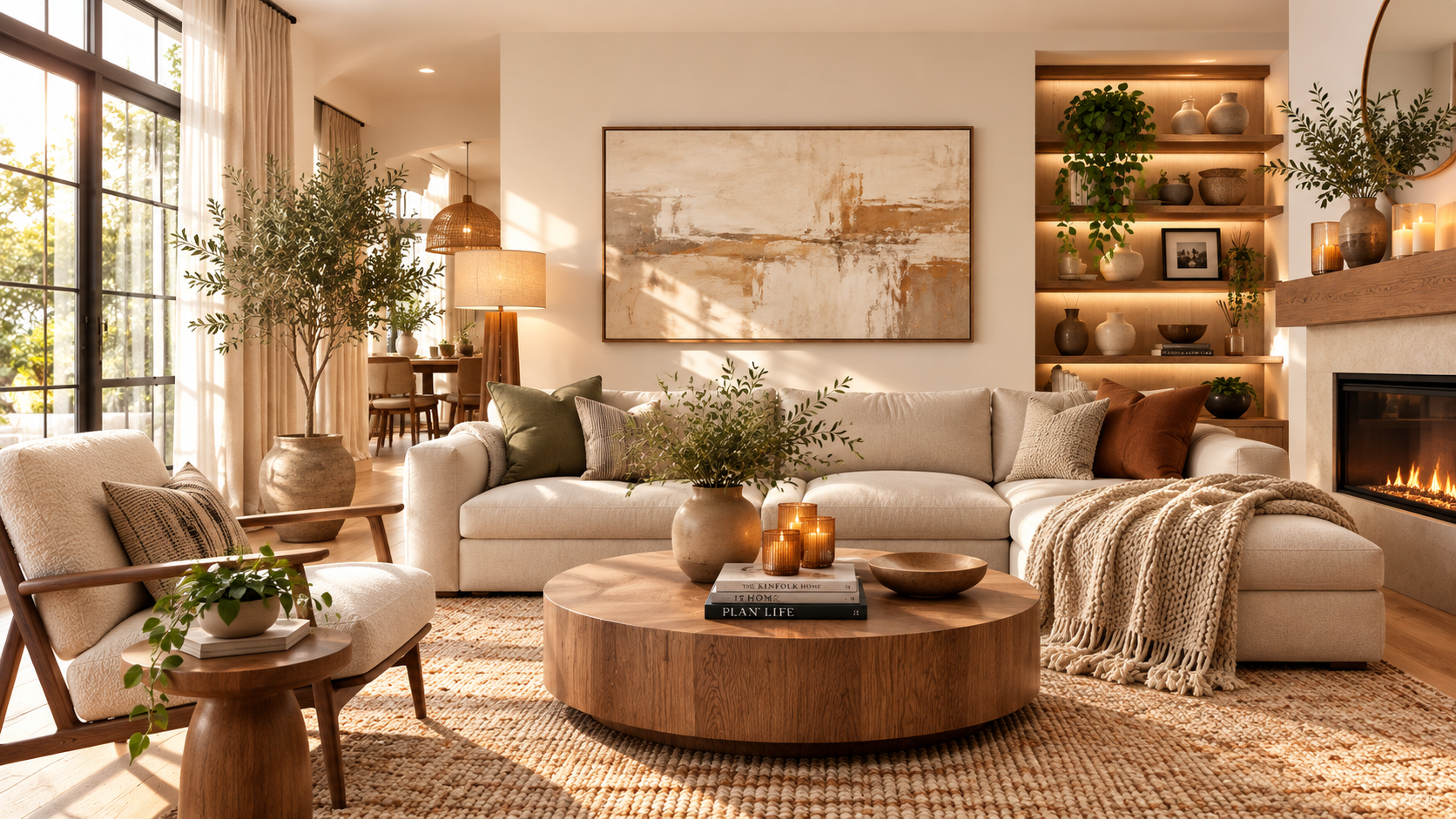
Warm minimalism is all about finding the sweet spot between a clean home and a comfortable one. Instead of filling a room with lots of furniture and accessories, this style focuses on a few well-chosen pieces, soft colors, natural materials, and plenty of breathing room .

If you love the look of a tidy home but don’t want it to feel cold or empty, warm minimalist decor is worth trying. The good news is that you don’t need to completely redesign your home. A few changes—such as adding warmer wood tones, softer lighting, or cozy textiles—can make a noticeable difference.
What is Warm Minimalist Interior Design?
Warm minimalist interior design is basically about being selective. Instead of removing almost everything from a room, you keep the pieces that are useful, beautiful, or meaningful to you..
The color palette usually stays soft and natural—think warm white, cream, beige, taupe, and muted earthy shades. Materials such as wood, linen, wool, stone, and ceramic help keep the space from feeling too plain.
Warm Minimalist Color & Materials Guide
If you’re not sure where to start, this simple guide can help you choose colors and materials that work well together in a warm minimalist home.
| Element | Warm Minimalist Choices |
|---|---|
| Walls | Warm white, cream, beige, soft taupe |
| Wood | White oak, walnut, teak |
| Textiles | Linen, cotton, wool, boucle |
| Rugs | Jute, wool, textured neutral rugs |
| Metals | Aged brass, bronze, matte black |
| Accent Colors | Terracotta, olive, muted brown |
15 Warm Minimalist Home Decor Ideas to Try
Here are 15 simple ways to bring warm minimalism into your home. You don’t have to use all of them. Start with one or two ideas that fit your space and build from there.
1. Start with a Warm Neutral Color Palette
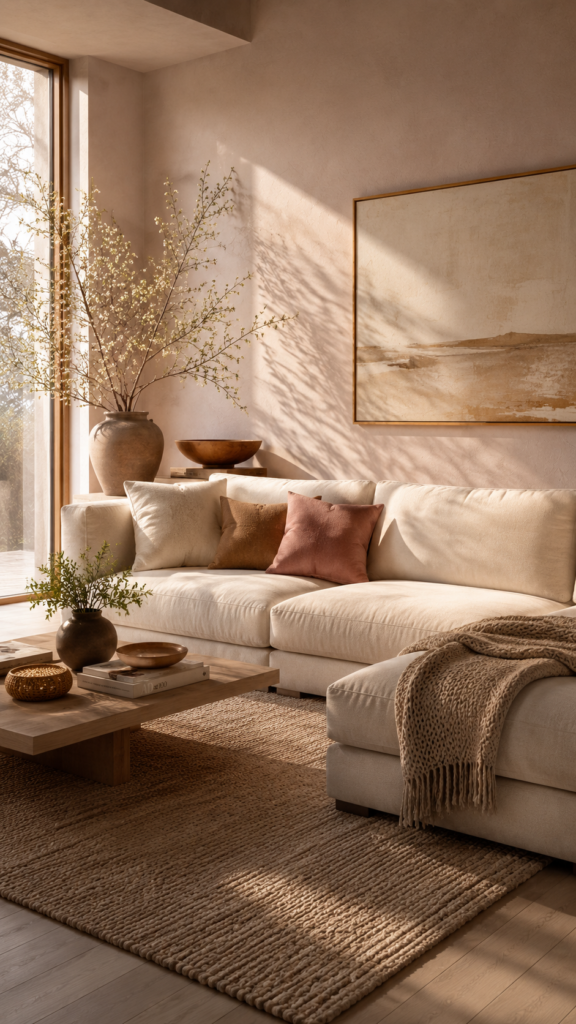
Start with the colors that take up the most space in the room, especially the walls, sofa, flooring, and larger furniture pieces. Warm whites, cream, oatmeal, beige, and soft taupe are great choices if you want the room to feel relaxed without looking dull.
A neutral background also gives you more freedom with smaller decorations. For example, you can add a terracotta cushion in autumn or switch to muted green accessories in spring without having to change the whole room.
2. Layer Textures Instead of Bold Colors
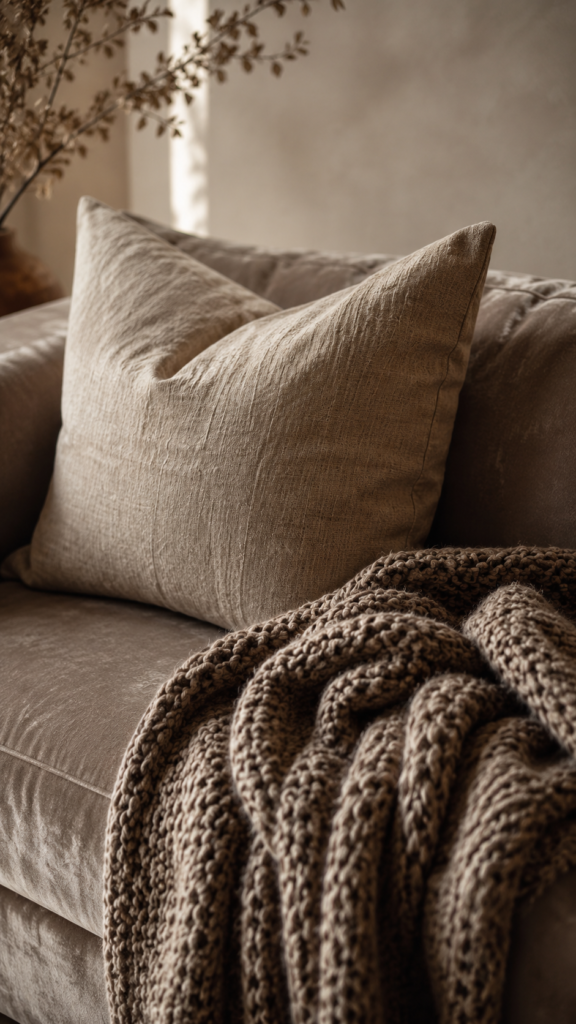
If you’re working with mostly neutral colors, don’t worry about the room looking boring. Texture can add plenty of interest without introducing lots of new colors.
Try mixing materials that feel different from one another—a chunky knit throw, linen cushions, a soft upholstered sofa, and a woven basket, for example. The colors can stay simple while the different textures keep the room interesting.
3. Embrace Natural Materials in Interior Design
Natural materials are an easy way to make a minimalist room feel warmer and more lived-in. Wood, stone, rattan, jute, and ceramic all bring subtle variation to a simple space.
You don’t need to use them everywhere. A wooden coffee table, a woven basket, or a stone vase may be enough to give a neutral room more character.

4. Choose Furniture with Soft, Curvy Lines
Older minimalist trends relied heavily on sharp edges, square corners, and rigid lines. To create a warmer environment, introduce curves. Rounded furniture profiles naturally soften a room and create a better flow for foot traffic.
Consider investing in a curved boucle sofa, a round dining table, or an arched mirror. These gentle shapes break up the harsh geometry of typical square rooms, instantly making the environment feel more relaxed and comfortable for you and your guests.

5. Maximize Ambient and Accent Lighting
Lighting can completely change how a room feels, especially in the evening. Rather than depending on one bright ceiling light, try using several smaller light sources around the room.
A floor lamp beside the sofa, a small table lamp, or a warm wall sconce can make the space feel much more relaxed. For a cozy atmosphere, warm-white bulbs around 2700K–3000K are usually a good starting point.

6. Curate Your Minimalist Living Room Decor
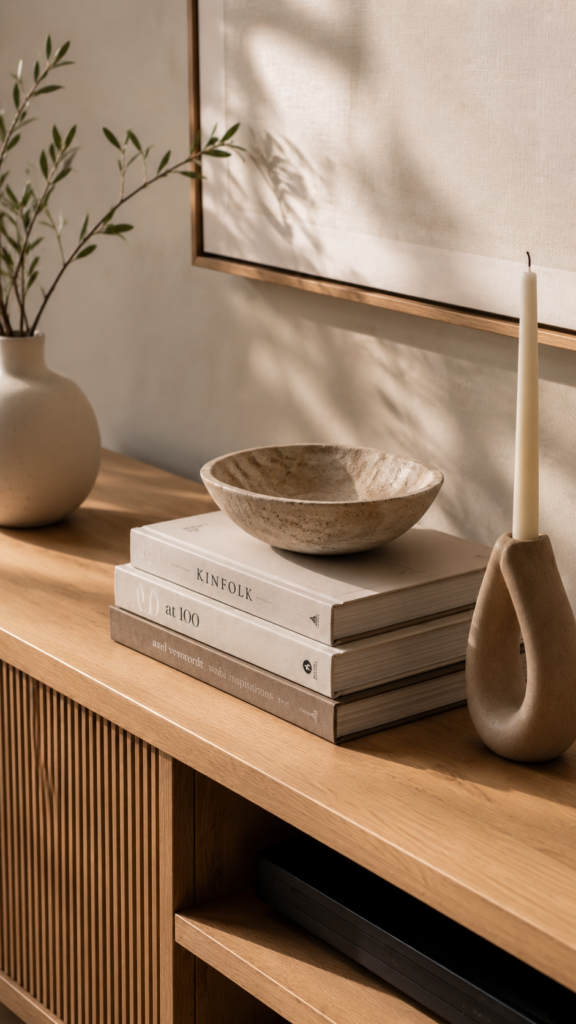
Keeping things organized is important, but minimalism doesn’t mean leaving every surface completely empty. A few carefully chosen pieces can actually make a room feel more personal.
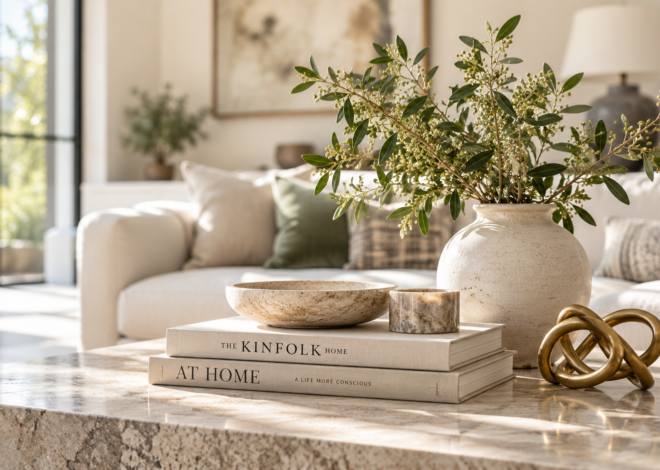
On a coffee table, for example, you might use two or three books, a ceramic bowl, and a small candle. The key is to give each item some space instead of filling every available spot.
7. Incorporate Large-Scale, Simple Artwork
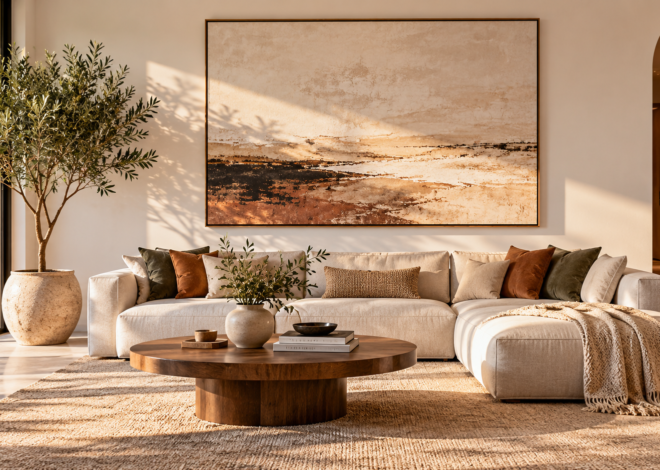
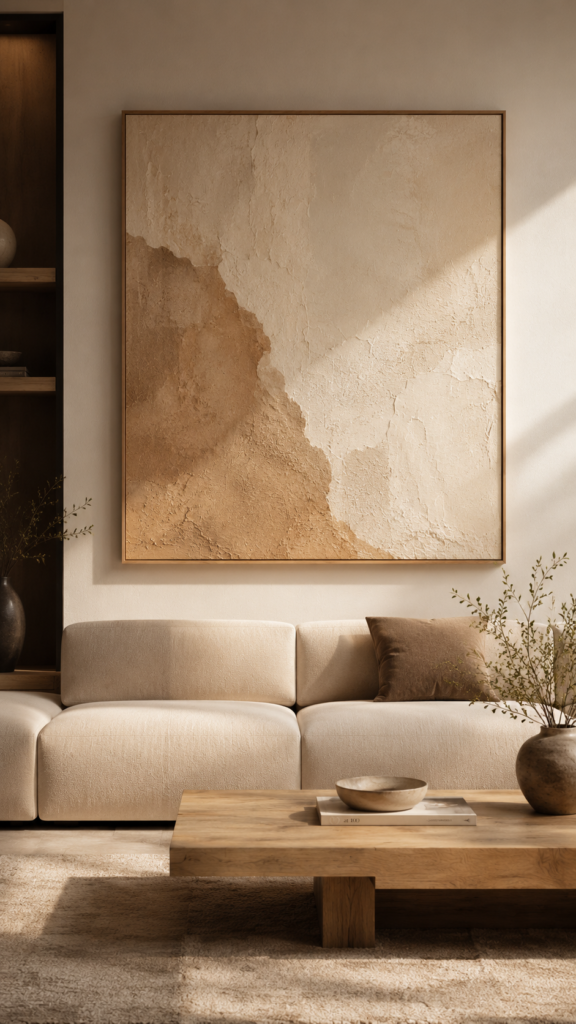
A gallery wall filled with dozens of small frames can easily feel chaotic. For a calm interior, opt for one or two large-scale pieces of art. Big, sweeping canvases draw the eye and act as a beautiful focal point without adding visual noise.
Choose artwork that features abstract shapes, soft landscapes, or textured plaster designs. Frame these pieces in raw wood or simple matte black frames. This approach fills blank wall space elegantly while supporting your serene aesthetic.
8. Add Organic Greenery and Branches
A little greenery can make a warm minimalist room feel much more alive. Instead of placing lots of small plants around the room, consider choosing one or two larger plants that can fill an empty corner.
An olive tree, ficus, or even a tall branch arrangement can work beautifully. If you don’t have much natural light, dried eucalyptus or decorative branches can give you a similar look without requiring much care.

9. Opt for Matte Finishes Over High Gloss
High-gloss finishes reflect a lot of light, which can sometimes make a space feel a bit sterile or overly modern. To keep your home feeling grounded and earthy, gravitate towards matte finishes across your furniture, hardware, and decor.
Matte black cabinet pulls, unglazed ceramic vases, and honed stone countertops absorb light gently. These subtle finishes contribute to a softer, more muted aesthetic that perfectly aligns with the principles of warm minimalism.

10. Anchor the Room with a Textured Area Rug
A rug can make a big difference in a minimalist room because it helps connect the furniture and define the seating area. If your floors feel a little bare, this is one of the easiest changes to make.
For a warm minimalist look, consider a textured wool, jute, or neutral Moroccan-style rug. Keep the pattern subtle so it adds texture without competing with the rest of the room.

11. Introduce Warm Wood Tones
Wood is arguably the most important element in achieving a welcoming atmosphere. While cool-toned or gray-washed woods were popular in the past, today’s designs favor woods that exude natural warmth.
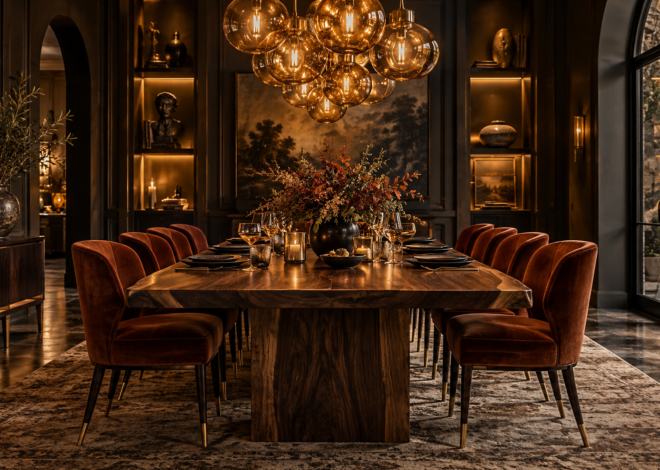
Incorporate mid-tone woods like white oak, walnut, and teak into your cabinetry, flooring, and furniture. These rich, warm wood tones contrast beautifully against soft white walls, offering an inviting and timeless aesthetic.

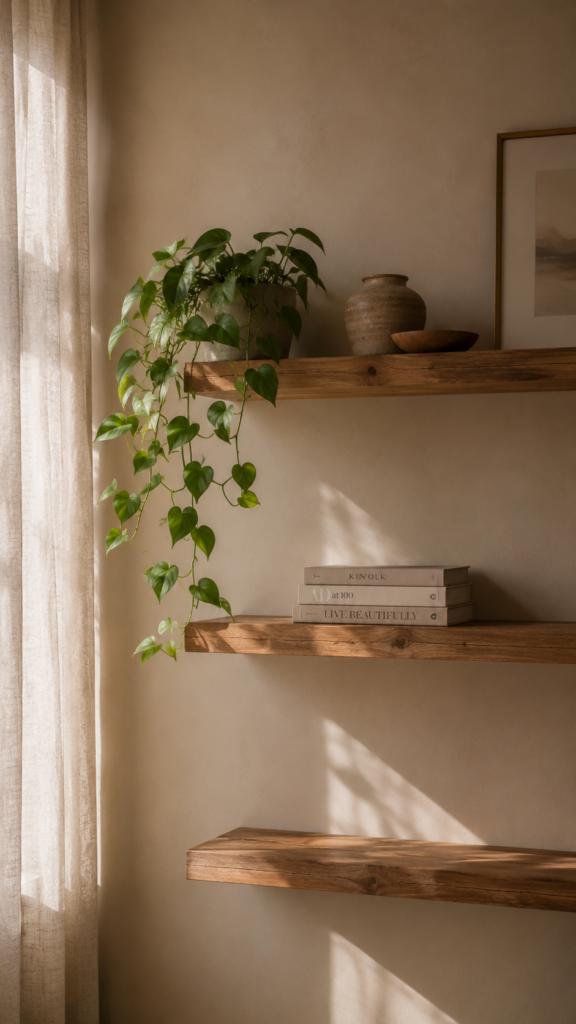
12. Style Floating Shelves with Restraint
Floating shelves look great in a minimalist home, but they can become cluttered surprisingly quickly. The easiest solution is to leave some empty space between your decorations.
Try placing three neutral-colored books beside a small plant, then leave the rest of the shelf open. You can always add another piece later if the shelf still feels too empty.
13. Invest in High-Quality, Cozy Textiles
You cannot have simple and cozy home decor without comfortable textiles. Since you are buying fewer items in a minimalist home, you can afford to invest in higher-quality pieces that feel amazing to the touch.
Swap out stiff, synthetic pillows for washed linen or organic cotton cushion covers. Drape an oversized, heavyweight knit blanket over the arm of your reading chair. When your textiles look plush and feel incredibly soft, the entire room immediately feels more welcoming.

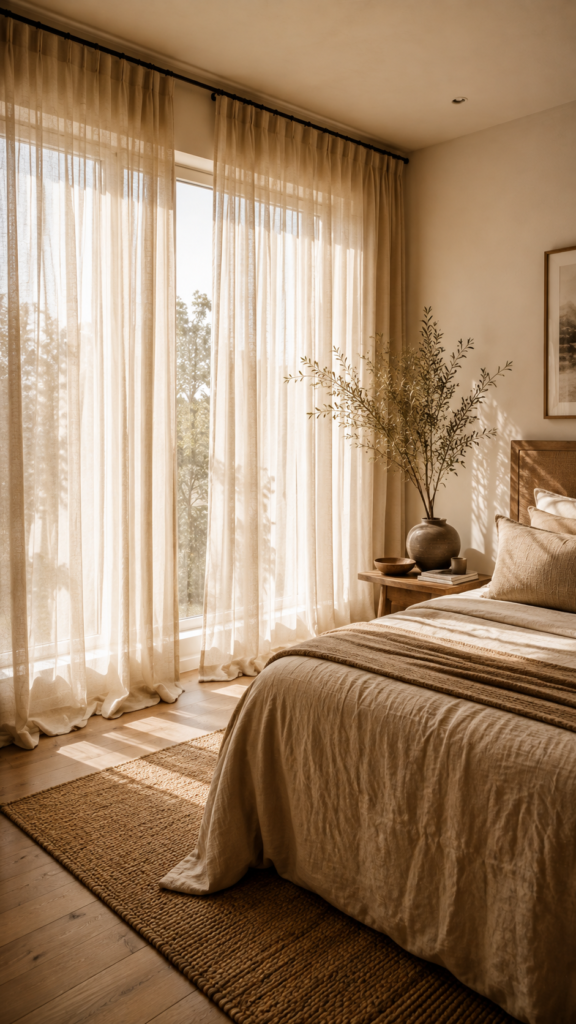
14. Keep Window Treatments Light and Breezy
If you want your room to feel bright and airy, keep your window treatments fairly light. Sheer or semi-sheer linen curtains allow natural light in while still making the windows feel finished.
One simple trick is to install the curtain rod a little higher than the window frame and let the curtains reach the floor. This draws the eye upward and can make the room feel more spacious.
15. Introduce Subtle Vintage Accents for Character
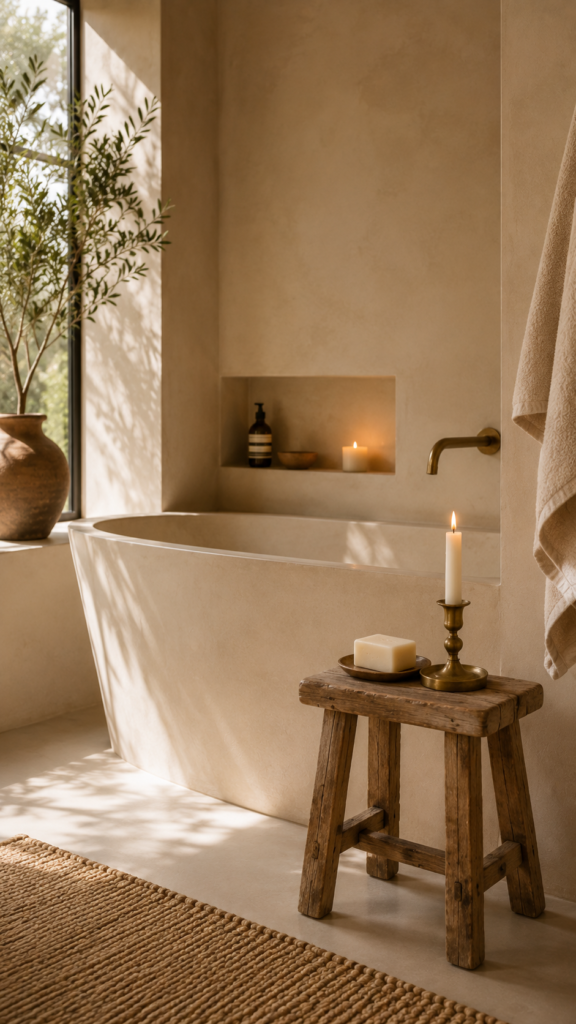
A home filled entirely with brand-new, modern items can lack personality. Introducing just one or two vintage pieces gives your space a sense of history and soul, which is essential for a truly inviting atmosphere.
You do not need to turn your home into an antique shop. Simply place an aged brass candlestick on your dining table, or use a weathered wooden stool as a side table in the bathroom. These small, time-worn accents add undeniable charm and character to your minimalist layout.
How to Maintain Simple and Cozy Home Decor
Warm minimalism is much easier to enjoy when you don’t have to constantly tidy up. Since the style depends on open surfaces and fewer objects, everyday clutter can quickly become noticeable.
Give everyday items a designated place. Baskets can hide blankets and toys, while closed storage can keep cables, remotes, and other small items out of sight. A few minutes of tidying each day can make a big difference

Final Thoughts on Warm Minimalist Home Decor
Creating a warm minimalist home doesn’t have to mean buying new furniture or starting from scratch. Often, the biggest difference comes from removing things you don’t need and paying more attention to the pieces you keep.
Start small. Try a warmer wall color, add a textured rug, bring in some natural wood, or replace harsh lighting with a few softer lamps. Over time, these small changes can create a home that feels calm, comfortable, and personal without becoming cluttered.
Frequently Asked Questions About Warm Minimalist Decor
How do you make a minimalist home feel cozy?
Use warm colors, natural materials, layered textures, soft lighting, and a few carefully chosen decorative pieces. You don’t need lots of accessories to make a minimalist space feel comfortable.
What colors work best for warm minimalism?
Cream, warm white, beige, taupe, soft brown, muted terracotta, and olive are excellent choices. These colors create a calm background while still adding warmth and character.
Can warm minimalism work in a small home?
Yes. Warm minimalism can work especially well in smaller spaces. Choose purposeful furniture, keep surfaces relatively clear, and use light warm colors to make the room feel open and comfortable.
What is the difference between minimalism and warm minimalism?
Traditional minimalism often emphasizes simplicity, clean lines, and a limited number of objects. Warm minimalism keeps that simplicity but introduces softer colors, natural materials, comfortable textiles, and warmer lighting.