How to Make Your Home Look Expensive on a Budget: 15 Elevated Decor Ideas
Creating an elegant, high-end living space does not require maxing out your credit cards or hiring a celebrity interior designer. If you want to know how to make your home look expensive, the secret lies in proportion, cohesion, lighting, and thoughtful styling. A well-designed room relies on deliberate choices rather than pricey price tags.
Many people assume that luxury requires a massive renovation budget. However, recent interior design trends highlight that budget home decor can look just as premium when applied correctly. By focusing on elements like correct rug placement, rich textures, and decluttered surfaces, you can easily achieve an elevated, organic aesthetic. We will explore how to blend affordable pieces with a sophisticated, curated vibe to create a warm, inviting, and high-end atmosphere.
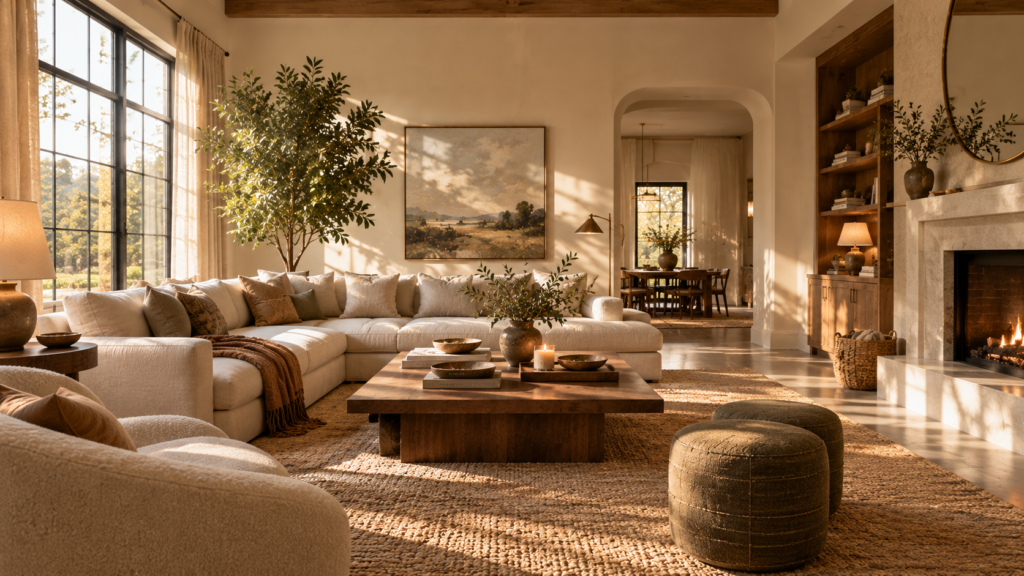
Whether you want to refresh a single room or upgrade your entire house, these practical home decorating tips will guide you. Let us explore fifteen distinct, creative, and highly visual ways to bring a luxury feel to your home without breaking the bank.
1. Master Intentional Decluttering for a Minimalist Foundation
The fastest and most affordable way to elevate any space requires no money at all. Visual clutter makes a room feel cramped and disorganized, which detracts from its aesthetic value. High-end homes always feature breathing room. Empty space allows your eye to rest and highlights the furniture and decor you actually want people to notice.

Start by clearing off flat surfaces like kitchen counters, coffee tables, and sideboards. Leave only a few carefully selected decorative items on display. Store daily utility items out of sight in woven baskets or decorative wooden boxes. This simple act creates a clean, sophisticated foundation.
When executing affordable home decor, remember that less is often more. A room with three carefully placed, beautiful objects looks far more intentional than a room filled with dozens of small, distracting trinkets. Editing your belongings creates an immediate sense of peace and luxury.
2. Hang Window Treatments High and Wide
Window treatments hold the power to completely alter the perceived architecture of your room. One of the most common decorating mistakes is hanging curtain rods directly above the window frame. This makes ceilings feel low and windows look small.

To create an expensive-looking home, mount your curtain rods four to six inches above the window frame, or even just beneath the ceiling line. Extend the rod a few inches past the sides of the window. When you hang your curtains, they will frame the glass rather than block the light, making the window appear much larger.
For a soft, timeless style, choose long panels made of natural linen, cotton blend, or sheer woven materials. Ensure the fabric lightly grazes the floor. Curtains that stop awkwardly above the floor look incomplete, while floor-kissing panels add a touch of custom-designed elegance.
3. Layer Your Lighting for a Warm Ambiance
Relying solely on a bright overhead ceiling fixture can make your home feel stark and sterile. High-end interior design relies heavily on layered lighting to create mood, warmth, and depth. You can easily achieve luxury home decor on a budget by rethinking how you illuminate your space.

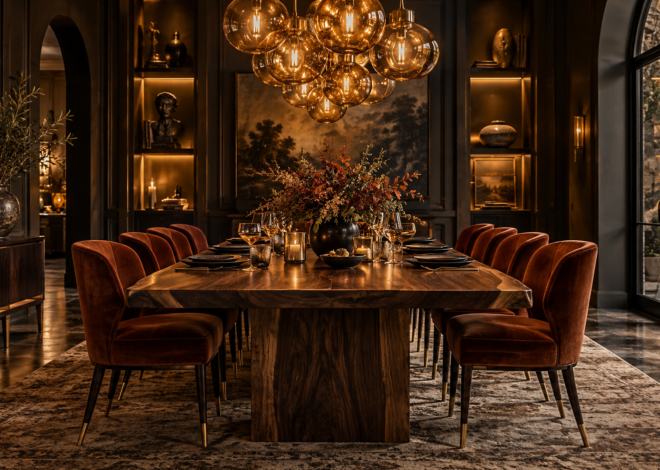
Introduce at least three sources of light in every room. Combine a statement overhead fixture—like a sleek metal pendant or an oversized fabric drum shade—with a stylish floor lamp and a ceramic table lamp. This setup allows you to control the mood and cast soft shadows that hide imperfections.
Always check your lightbulbs. Swap out cool, bluish LED bulbs for warm white bulbs (around 2700K to 3000K). Warm light mimics the cozy, welcoming glow found in boutique hotels and upscale restaurants, elevating the atmosphere of your home.
4. Anchor the Room with Correctly Sized Rugs
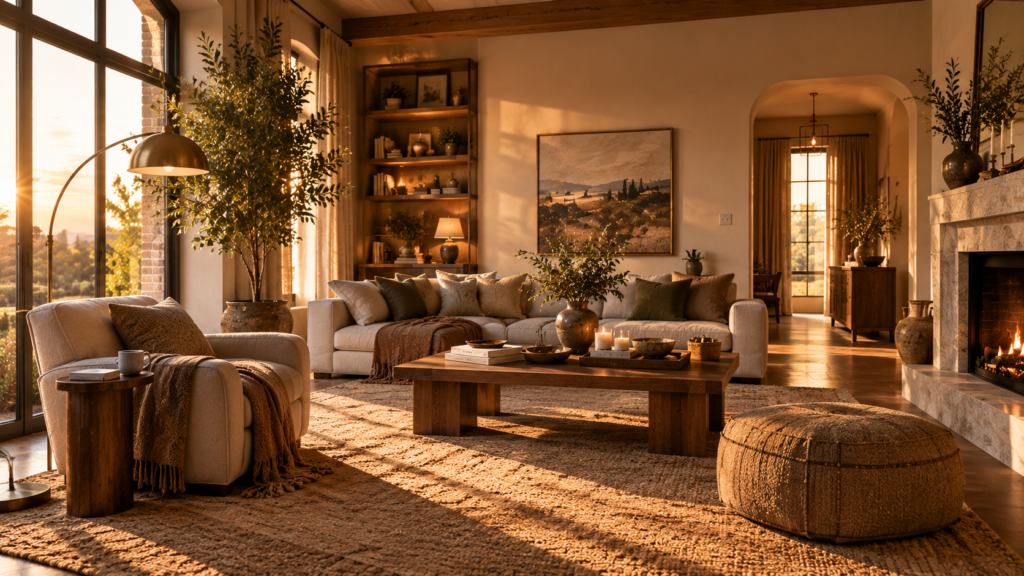
A rug that is too small makes a room feel disjointed, cheap, and poorly planned. In contrast, a large, generously sized rug grounds the furniture and unifies the space. If you want to know how to make your house look expensive, scaling your rugs properly is a major step forward.
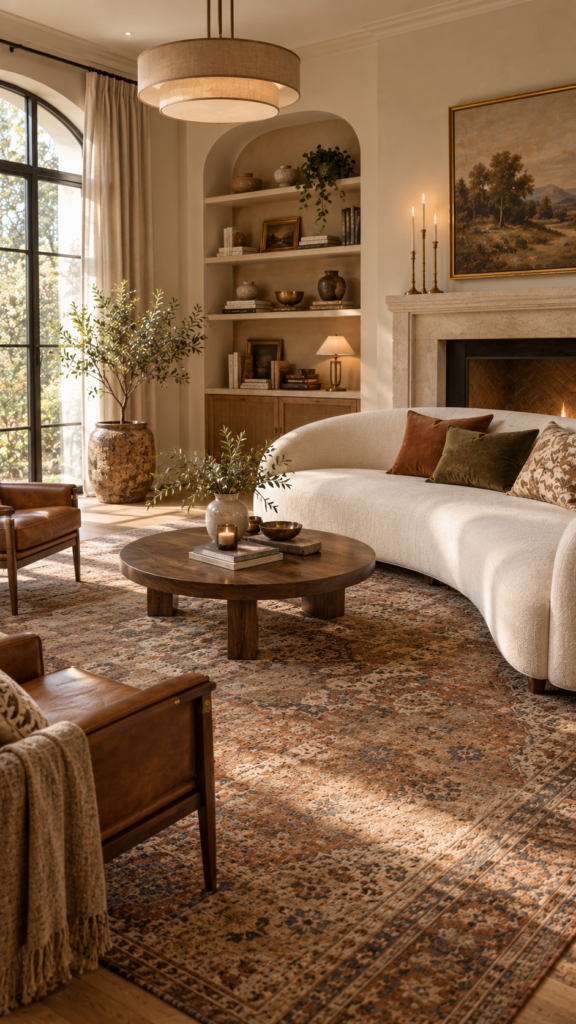
In a living room, the rug should be large enough that at least the front legs of your sofa and chairs sit comfortably on it. Standard sizes like 8×10 or 9×12 work best for most living spaces. While large rugs can sometimes carry high price tags, you can find highly affordable options by looking for flatweave styles, natural jute, or printed washable rugs.
For an elevated, textured look, consider layering an affordable oversized natural jute rug underneath a slightly smaller, richly patterned vintage-style rug. This technique adds gorgeous visual interest without demanding a high budget.
5. Upgrade Standard Builder-Grade Hardware
Details matter. Standard, builder-grade cabinet knobs and drawer pulls often lack character and can make a kitchen or bathroom feel dated. Replacing these small fixtures is one of the most effective budget-friendly decorating ideas available.
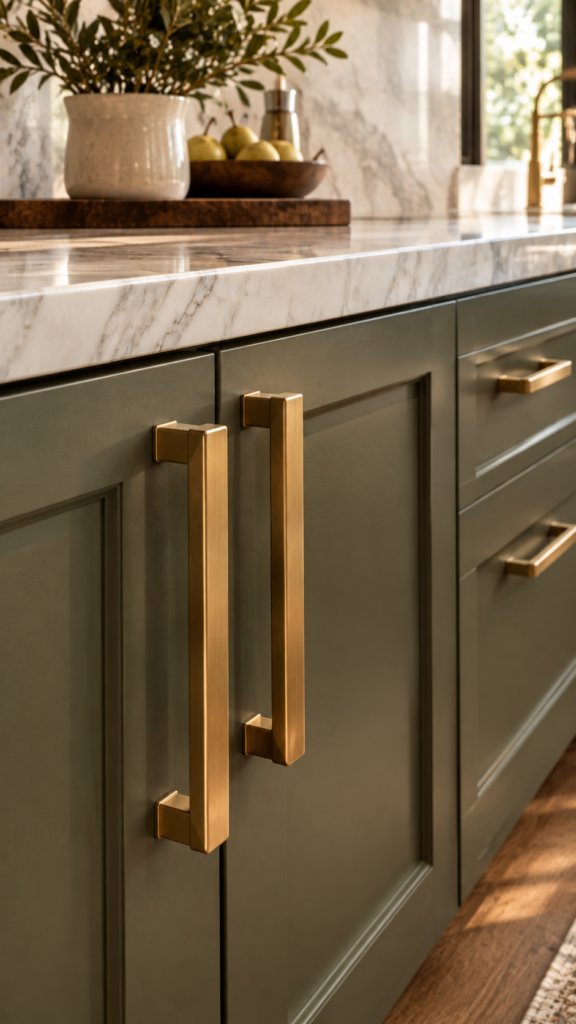
You can purchase multipacks of stylish hardware online for a fraction of the cost you would pay at a specialty boutique. Swap out generic silver knobs for brushed brass, matte black, or even leather loop pulls. This minor change makes generic cabinetry look custom-built.
Extend this concept to your interior doors as well. Updating a basic doorknob to a sleek, modern lever or a vintage-inspired brass knob adds a tactile sense of quality every time you enter a room.
6. Choose Oversized Wall Art Over Cluttered Frames
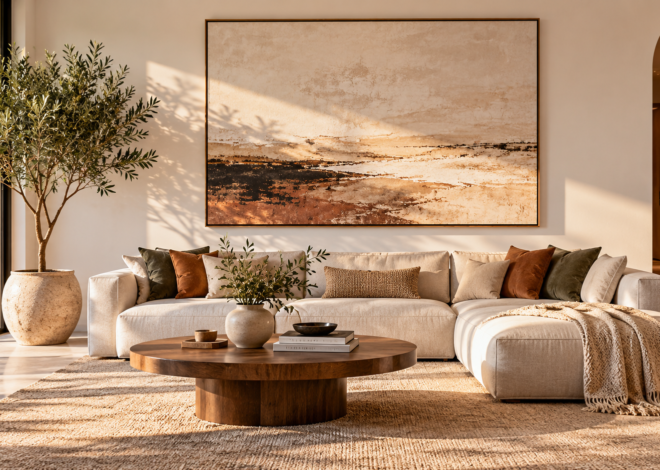
While gallery walls have their place, they can sometimes appear messy if not executed perfectly. For a more sophisticated and high-end aesthetic, lean toward large-scale statement art. A single, oversized piece of art serves as a focal point and commands attention.

You do not need to buy original gallery paintings to achieve this look. Look for large digital prints that you can have printed at a local print shop, or create your own DIY textured canvas using joint compound and acrylic paint. Abstract, earthy shapes work beautifully within a contemporary or organic theme.
Frame your oversized art in a simple, thin wooden or matte black frame. Placing a massive piece of art above a sofa, bed, or console table is a staple of affordable interior design that mimics the look of luxury penthouses and upscale homes.
7. Float Your Furniture for Better Flow
A common reflex when arranging a room is to push all the furniture tightly against the walls to maximize open floor space. However, this often creates a hollow, disconnected feeling in the center of the room, resembling a waiting area rather than a cozy home.
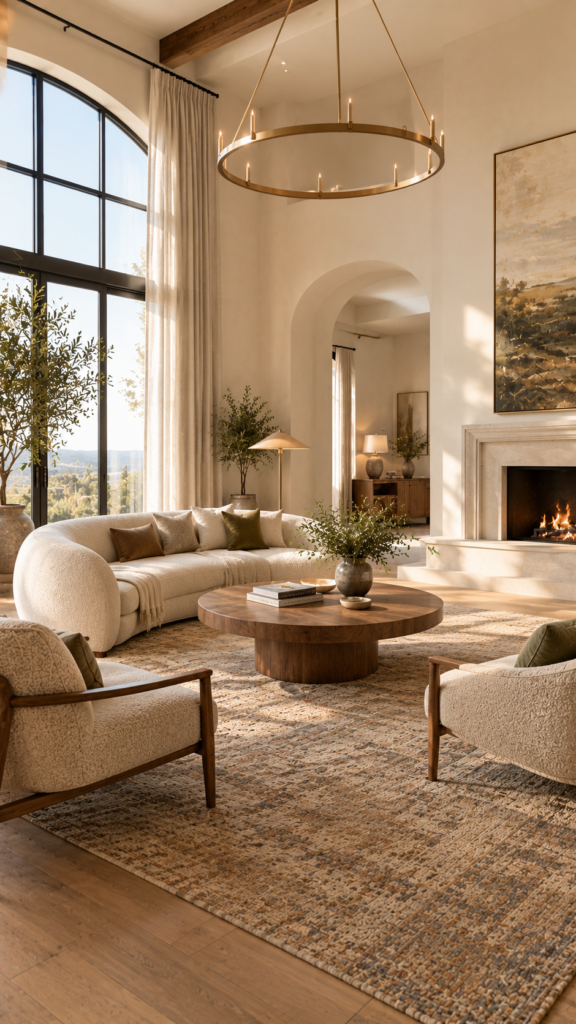
Pulling your furniture away from the walls—even by just a few inches—creates a more intimate, conversational layout. This technique, known as “floating” the furniture, gives the illusion of a larger, grander space. It implies that the room is spacious enough that furniture does not need to be crammed against the perimeter.
Anchor this floating arrangement with your properly sized rug and a central coffee table. This layout adjustment costs nothing but drastically improves the flow and energy of your living areas.
8. Introduce Oversized Indoor Plants
Lush greenery brings life, vibrant color, and organic shapes into a room. While small potted plants look lovely on shelves, large, sculptural floor plants create a commanding presence that feels highly expensive and carefully curated.
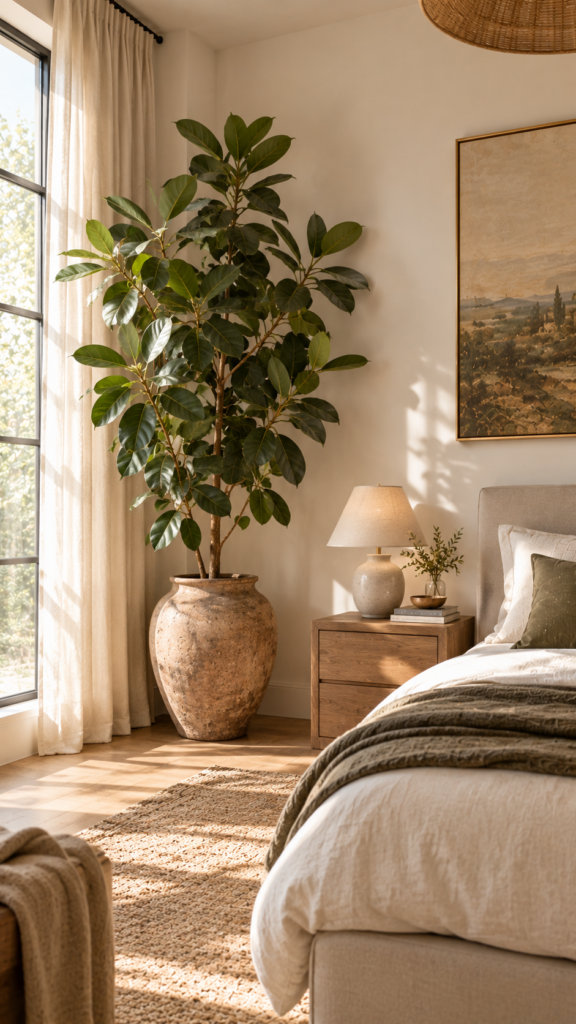
Varieties like the Bird of Paradise, Ficus Audrey, or a large Olive tree fill empty corners beautifully. They draw the eye upward, emphasizing the height of the room. If natural light is an issue, high-quality faux plants offer the same visual benefit without the maintenance.
To keep the look consistent with elegant home decor ideas, place your plants in substantial, textured planters. A large terracotta pot, a fluted concrete planter, or a sturdy woven seagrass basket elevates the plant from a simple piece of nature to a deliberate design statement.
9. Mix Organic Textures Instead of Matching Colors
Spaces that look overly matched or feature furniture bought as a single, identical set often feel flat. A high-end look on a budget requires depth, and depth comes from mixing different textures and materials rather than simply matching colors.

In a thoughtfully designed space, you have the freedom to layer contrasting tactile elements. Combine a soft bouclé accent chair with a smooth leather pouf. Toss a chunky knit throw over a linen sofa. Place a raw, reclaimed wood side table next to a sleek ceramic vase.
This interplay of smooth, rough, soft, and hard surfaces tricks the eye into perceiving the room as a highly curated collection. It shows a level of design sophistication that goes far beyond simply buying items out of a single catalog.
10. Curate a Cohesive Earthy Color Palette
Color profoundly impacts the perceived value of a room. While bright, primary colors can be fun, they often challenge a cohesive design. Neutral and earthy palettes naturally evoke a sense of calm, maturity, and luxury.
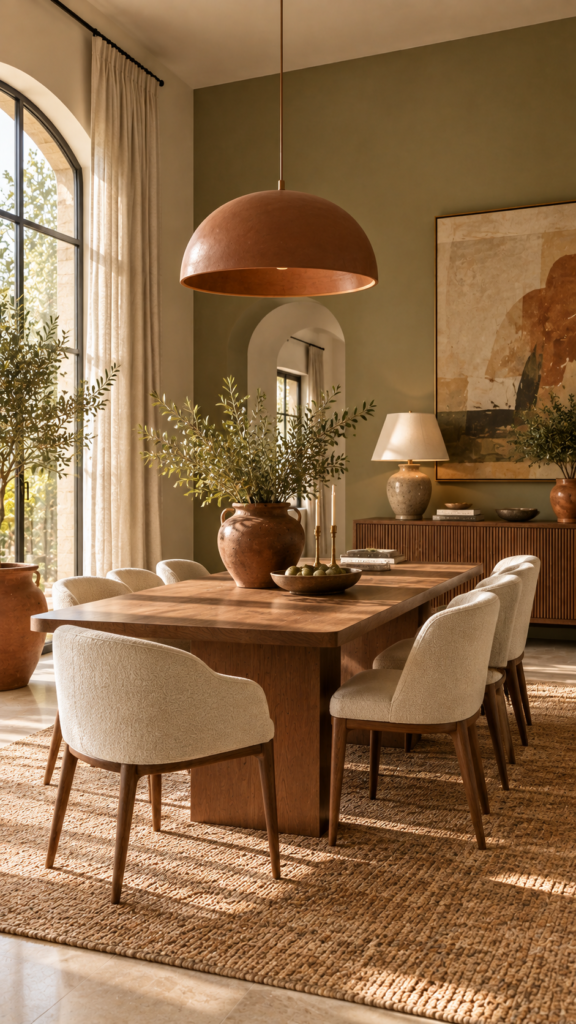
Build your base with warm tones like creamy whites, soft taupes, or mushroom grays. Then, introduce richer accent colors drawn from nature. Terracotta, muted mustard, olive green, and deep rust add character without overwhelming the senses.
By strictly adhering to a defined color palette throughout your home, you ensure that every room flows seamlessly into the next. This sense of unity is a hallmark of professional interior design and makes budget finds look like they belong to a master plan.
11. Style Surfaces Using the Rule of Three
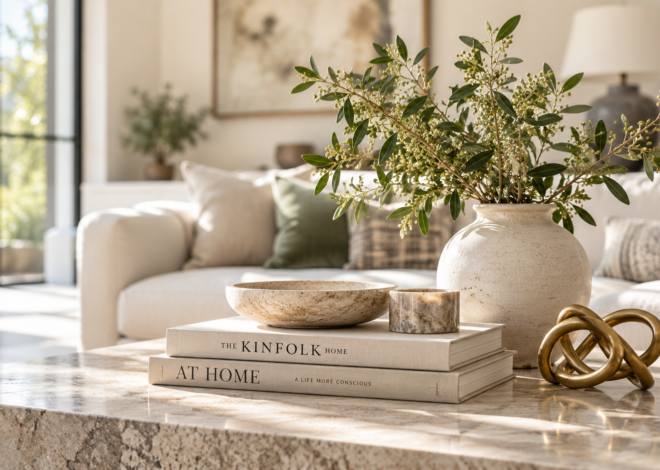
How you arrange your decor is just as important as the items you buy. A bare coffee table feels unfinished, but a cluttered one feels messy. Interior designers frequently use “The Rule of Three” to create visually appealing vignettes.
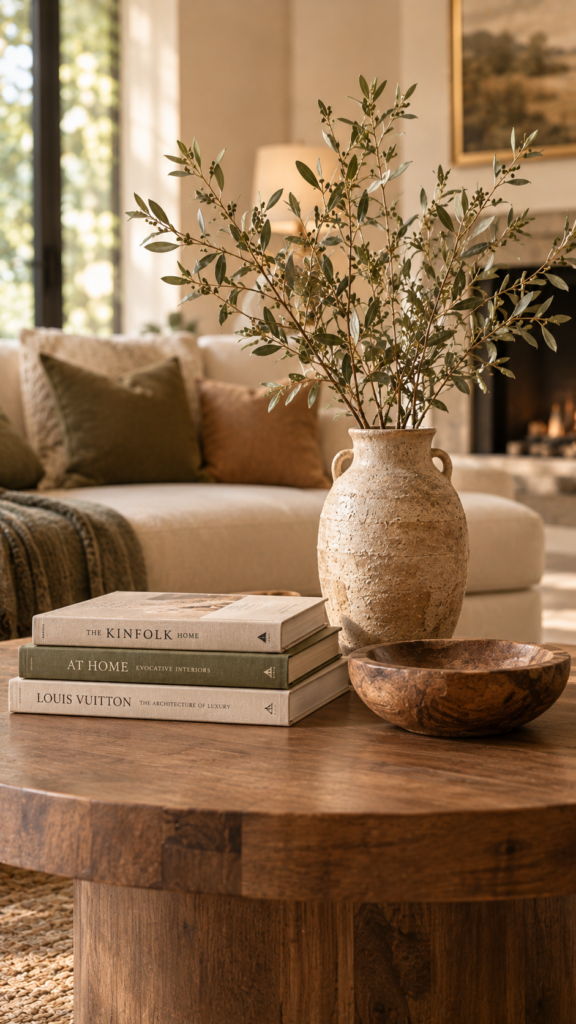
Items grouped in odd numbers force the eye to move around the display, creating a more dynamic and engaging look. On a console or coffee table, try grouping a stack of hardcover books, a tall ceramic vase with dried branches, and a low, textured bowl.
Vary the heights and shapes within your grouping. This styling technique makes inexpensive accessories look curated and expensive, bringing an elevated finish to your everyday spaces.
12. Swap Standard Mirrors for Organic Shapes
Mirrors are a designer’s best friend. They bounce natural light around the room and create the illusion of extra square footage. However, a standard, frameless rectangular mirror often looks basic and uninspired.
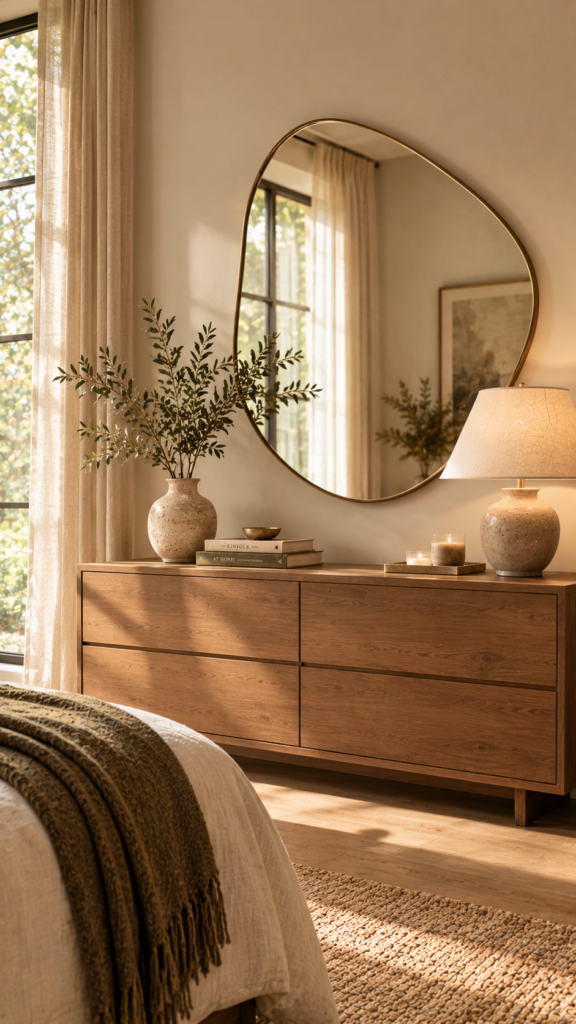
Enhance your walls by swapping out basic mirrors for those with unexpected, organic shapes. An asymmetrical pebble-shaped mirror or a large, round brass-rimmed mirror functions as both a reflective surface and a piece of wall art.
Placing a beautiful mirror opposite a window maximizes the light and views, contributing to an airy, expansive feeling. It is a simple purchase that yields a high visual return on investment.
13. Integrate Thrifted or Vintage Statement Pieces
A room filled entirely with brand-new, mass-produced furniture can lack soul. True luxury design embraces history and unique character. Incorporating secondhand finds is a brilliant way to achieve an upscale look while staying well within your budget.

Visit local antique shops, flea markets, or online thrift marketplaces to find one-of-a-kind items. A beautifully aged wooden sideboard, a vintage brass lamp, or an intricately carved stool adds a layer of authenticity to your eclectic decor.
These pieces tell a story and ensure that your home does not look like a carbon copy of a furniture showroom. Mixing old and new creates a collected-over-time aesthetic that money simply cannot replicate in a single shopping trip.
14. Add Architectural Interest with DIY Accent Walls
Many affordable homes lack built-in architectural details like crown molding or custom trim. Blank, flat walls can sometimes feel cold. Fortunately, adding architectural interest is highly achievable for weekend DIYers.
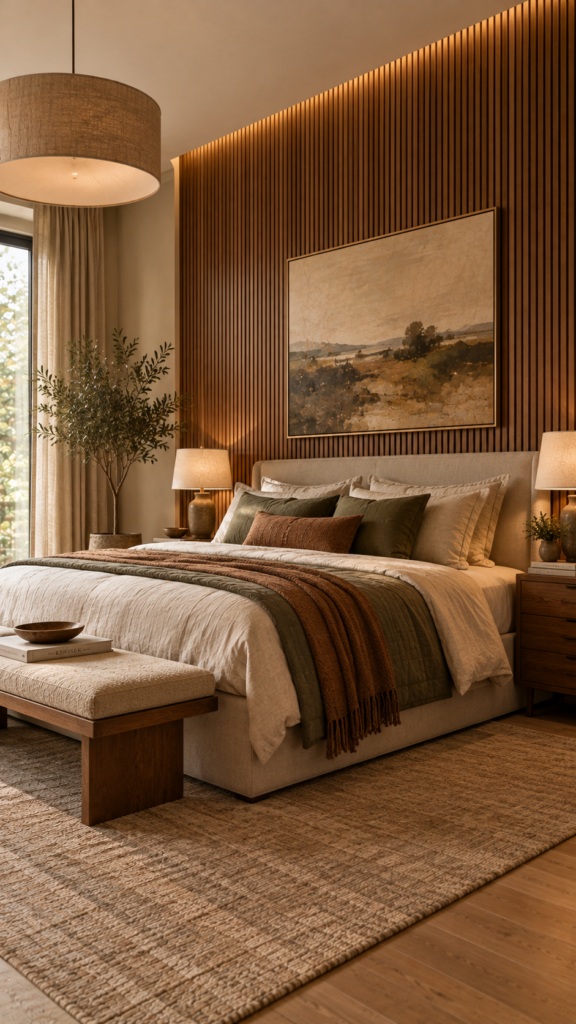
Consider installing vertical wood slats on a single accent wall, or applying simple picture frame molding to a dining room. These additions introduce shadows, depth, and texture.
In a warm, modern space, a wall featuring beadboard or vertical paneling painted in a soft, muddy green or rich beige grounds the room. It gives the impression of a custom-built home and elevates the entire setting beyond basic drywall.
15. Elevate the Scent and Ambiance
Visuals alone do not complete the experience of an expensive home. The way a home smells and feels plays a huge role in its perceived luxury. If a home looks beautiful but smells stale, the illusion shatters.

Incorporate subtle, sophisticated fragrances through aesthetic ceramic essential oil diffusers or high-quality soy candles poured into amber glass jars. Choose complex, earthy scents like sandalwood, cedar, bergamot, or fig rather than overly sweet, artificial fragrances.
Keep a soft background playlist running, open the windows to let fresh air circulate, and ensure your home is kept at a comfortable temperature. Engaging all the senses transforms your budget-friendly upgrades into a truly holistic, luxurious living experience.
Final Thoughts on Creating a High-End Space
Transforming your space into an elegant retreat is a highly rewarding process. Learning how to make your home look expensive is ultimately about approaching design with intention and care. You do not need to replace all your furniture or undertake costly renovations to see a major improvement.
By applying these strategies—such as layering your lighting, scaling your rugs correctly, editing your clutter, and mixing organic textures—you can craft a beautiful, curated sanctuary. Embrace these practical methods, and enjoy the feeling of stepping into a beautifully styled, expensive-looking home every single day.